From Floods to Leaks: Understanding the Different Types of Water Damage Mar 01, 2026
The first step in addressing water damage is recognizing its source. Water damage stems primarily from two categories: floods and leaks. Flooding often results from natural disasters such as heavy rainstorms or hurricanes. These events can lead to significant water accumulation that infiltrates homes, causing widespread destruction. In contrast, leaks are typically caused by plumbing issues, such as burst pipes or faulty faucets. While they may seem negligible at first, leaks can gradually lead to extensive damage over time if left unattended.
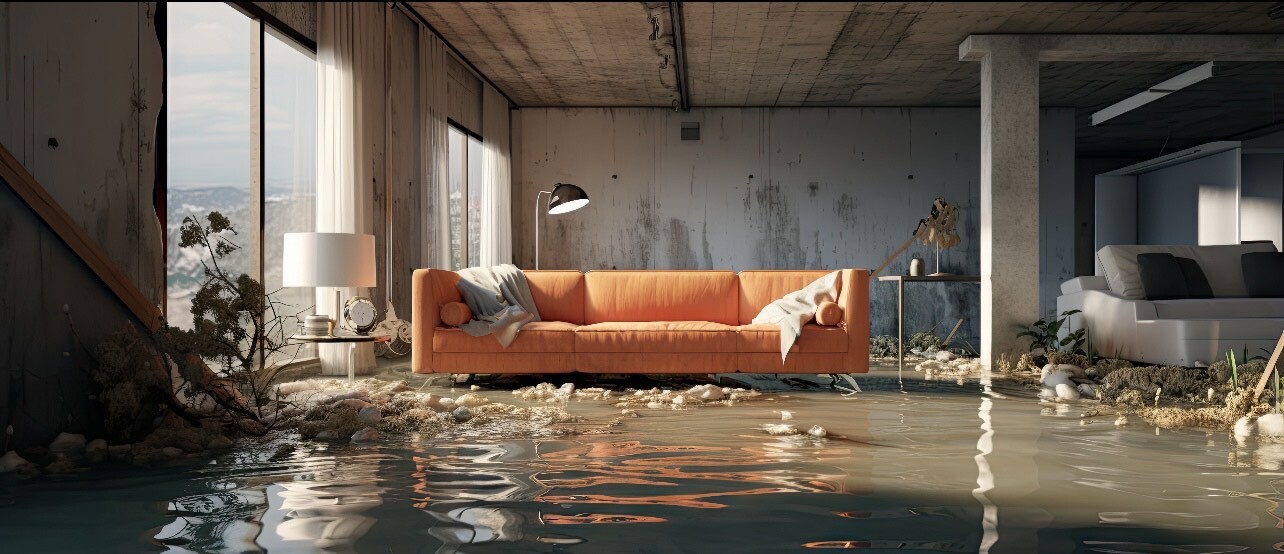
Flooding can wreak havoc on your property, damaging foundations, walls, and personal belongings. Often, it is accompanied by electrical hazards, compromised structural integrity, and a high risk of mold growth. Mold spores thrive in damp environments and can begin to grow within 24 to 48 hours after water exposure. Thus, immediate action is crucial. Our team at All Clear Restoration recommends evacuating flooded areas promptly and contacting professionals for efficient water removal and drying services.
On the other hand, leaks might appear less intimidating than floods, but they pose significant threats if ignored. A small leak in the roof can lead to extensive water damage to ceilings and walls, eventually compromising the structure of your home. Additionally, persistent leaks create a damp environment perfect for mold development. Since leaks are often hidden within walls or ceilings, they can be difficult to detect until the damage is already done. Regular inspections and maintenance of plumbing systems can help identify potential problems early on.
Beyond immediate damage, water exposure has longer-term consequences. Over time, excess moisture can weaken building materials, leading to decay. The presence of water can also attract pests, such as termites and ants, which further harm the integrity of the structure. To avoid these issues, it is critical to act quickly when water damage is suspected.
Preventive measures are essential to safeguarding your property from water damage. Regular maintenance, such as roof inspections for potential leaks and the addition of storm gutters to direct rainwater away from the foundation, is paramount. Investing in a sump pump for basements and ensuring proper drainage around the home can significantly mitigate flooding risks. Furthermore, installing water leak detection devices can alert you to leaks before they escalate into more significant problems.
At All Clear Restoration, we emphasize the importance of acting swiftly to mitigate water damage impacts. Our expert team is equipped with the tools and expertise needed for effective water damage restoration and mold remediation. We prioritize not only removing the visible signs of water damage but also addressing the underlying issues to prevent future occurrences.
In conclusion, understanding the different types of water damage—whether from floods or leaks—is vital for effective prevention and restoration. Taking proactive steps can save you time, money, and stress in the long run. Should you encounter any water damage, remember that All Clear Restoration is here to help protect your home and restore your peace of mind.
/filters:no_upscale()/filters:format(webp)/media/3fa6d995-c784-4fe4-b8c7-3bc426ae9bb2.png)
/filters:no_upscale()/filters:format(webp)/media/72aaa778-c069-474f-91ea-03403253b4bf.png)