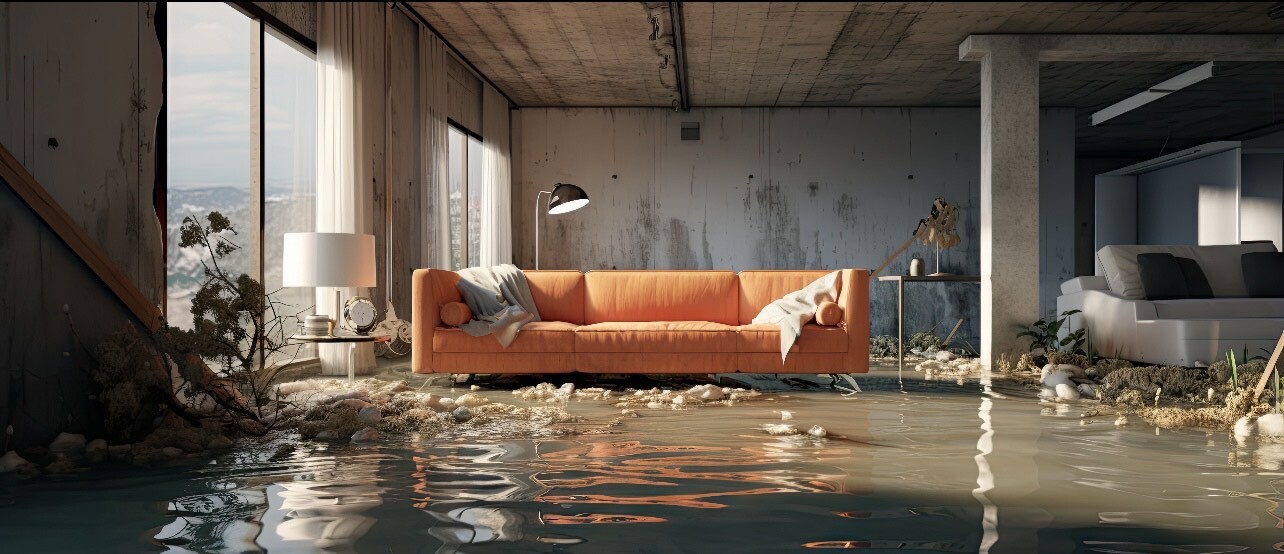
Evaluating Water Damage: When It's Time to Repair, Restore, or Replace Jul 26, 2026
Water Damage Assessment
The first step in managing water damage is performing a thorough assessment. It involves identifying the source of the water, the level of contamination, and the duration the water has been present. Clean water from burst pipes generally poses less risk compared to gray or black water from appliances or sewage. The latter types not only damage property but can also pose significant health risks.
Factors Influencing the Decision
1. **Extent of Damage**: Evaluate the area affected by water damage. Minor damages might only need repairs, while significant structural damage often requires replacement. Check for visible signs like discoloration, bubbling, or peeling paint which indicate underlying issues.
2. **Material Durability**: Consider the materials involved. While hardwood floors can sometimes be restored, carpet might require replacement after water exposure. Likewise, drywall is often easier to replace than to attempt extensive repairs.
3. **Potential Mold Growth**: Mold is a common consequence of untreated water damage. It's important to inspect for mold growth early in the assessment. If mold is present, remedial action should be prioritized to prevent health hazards and further structural damage.
4. **Cost Evaluation**: Weigh the costs of repairing versus replacing. Often, repairing may seem cost-effective initially, but persistent issues could lead to higher expenses over time. An accurate cost-benefit analysis should guide your decision.
Repair, Restore, or Replace?
- **Repair**: Opt for repair when dealing with minor damage that doesn’t affect the structural integrity of your home. Quick fixes like drying out the area and repairing small leaks are cost-effective solutions for minor issues.
- **Restore**: Restoration is suitable when the damage is moderate, and the materials can be salvaged. This process involves cleaning and sanitizing the affected area to return it to its pre-damaged state. Restoration is often preferred when addressing valuable items or materials.
- **Replace**: Replacement becomes necessary when the damage compromises structural safety. Materials like saturated insulation or significantly warped hardwood need replacement. While this may involve higher upfront costs, it ensures long-term safety and integrity.
Prevention is Key
Preventive measures can save you from the hassle and expense of dealing with water damage. Regular inspections of plumbing systems, prompt repairs of leaks, and ensuring proper home drainage are essential practices. Investing in water leak detection systems can also provide timely alerts, helping mitigate potential issues.
Conclusion
Evaluating water damage requires a careful balance of inspection, assessment, and action. By understanding the severity of the damage and the best course of action, homeowners can make informed decisions that promote both safety and cost-effectiveness. All Clear Restoration stands ready to assist you through every step of this process, providing expert advice and services tailored to your needs. Remember, timely intervention can turn a potential disaster into a manageable challenge. Protect your home and peace of mind by acting swiftly and sensibly in the face of water damage.
/filters:no_upscale()/filters:format(webp)/media/3fa6d995-c784-4fe4-b8c7-3bc426ae9bb2.png)
/filters:no_upscale()/filters:format(webp)/media/72aaa778-c069-474f-91ea-03403253b4bf.png)